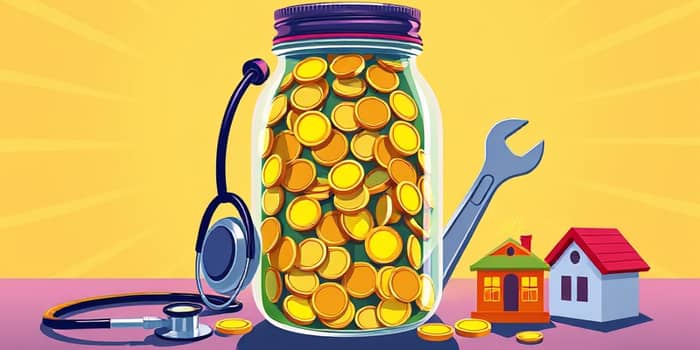
Life can throw unexpected curves at any moment, from medical crises to job loss. Building a dedicated cash reserve for emergencies allows you to face these challenges with confidence and peace of mind. This article will guide you step by step to establish a robust safety net.
With each section, you’ll gain insights on calculating your target amount, choosing the best account type, and overcoming obstacles that may arise.
What is an Emergency Fund?
An emergency fund is more than just savings; it is a financial buffer against unexpected costs that could derail your plans. This reserve is set aside to cover sudden expenses such as medical bills, urgent home repairs, major car fixes, or temporary loss of income.
Unlike regular savings, these funds are not for vacations or large purchases. By keeping them separate, you avoid dipping into your long-term investments or accumulating high-interest debt when life’s surprises occur. Imagine a roof collapse during a storm or an urgent hospital visit – having funds ready means you can focus on solutions instead of scrambling for credit.
How Much Should You Save?
Experts often recommend setting aside 3 to 6 months worth of living expenses. After the 2008 recession, many now advise 6 to 9 months for greater resilience. If your monthly expenses total $2,000, that means a target between $6,000 and $18,000, depending on your circumstances.
- Starter goal: Save $1,000 to cover immediate shocks and build momentum
- Short-term buffer: Aim for half of monthly costs to handle minor emergencies
- Full safety net: Build up to three to six months expenses to weather job loss
- Extended cushion: Consider six to nine months if income is unpredictable or health risks exist
This tiered approach ensures you always have some protection, even as you work toward larger milestones. You can adjust targets based on life events, such as moving to a new city, expecting a child, or launching a business that may have lean periods.
The Reality: Where Americans Stand
Despite the clear benefits, data shows many households fall short. Only 46 percent can cover three months of costs, while 24 percent have no emergency savings at all. Another 30 percent have some funds but not enough to reach that three-month threshold.
Generation Z feels especially unprepared; half say they would need over six months of savings to feel secure, yet few have achieved this. Meanwhile, usage patterns reveal that only 41 percent could pay a $1,000 unexpected bill from savings, the lowest level since 2021. These gaps emphasize the importance of proactive planning.
Why You Need One
An emergency fund offers countless benefits that touch every aspect of life. It helps you avoid high-interest debt during crises, reducing the temptation to use credit cards for urgent costs. With a cushion in place, you can focus on recovery rather than repayments.
- Debt avoidance: Say no to high-interest loans and costly borrowing
- Stress reduction: Experience greater financial peace of mind and emotional relief
- Job loss protection: Give yourself time and space to seek the right opportunity
- Health and family support: Cover medical bills or travel for loved ones in crisis
Without this safety net, even minor emergencies can trigger cascading debt and long-term financial strain. A prepared fund is truly an investment in your well-being.
Where to Keep Your Emergency Fund
Choosing the right home for your funds is critical. Prioritize liquidity and easy access, paired with government-backed security to protect your balance.
Keeping your emergency fund separate from your everyday checking account also helps reduce temptation and ensures you’ll have resources when you truly need them.
How to Get Started
Building an emergency fund might seem daunting, but small steps lead to significant progress. Begin by calculating your essential monthly expenses, including rent, utilities, groceries, and transportation.
- Calculate total monthly costs, fixed and variable
- Set an initial goal, such as $500 or $1,000
- Open a dedicated account exclusively for emergencies
- Automate regular deposits, treating savings like a necessary expense
Consider using spare-change roundup apps, cutting one non-essential subscription, or dedicating a portion of tax refunds or bonuses. These strategies can accelerate your savings without overhauling your budget.
Common Misconceptions and Obstacles
Many assume that only high earners can build an emergency fund, but consistent small contributions are just as powerful. Believing you need a large balance to start often leads to procrastination. Instead, focus on progress over perfection.
Another common obstacle is the fear of missing out on higher investment returns. Remember, the primary role of an emergency fund is safety and accessibility, not growth. It is a shield against volatile markets, ensuring you never liquidate long-term investments at a loss.
Conclusion
Your journey to establishing a reliable financial safety net begins with a single decision. Every deposit, no matter how small, builds resilience and empowers you to face life’s uncertainties. Commit today to automating your savings, and revisit your goals annually to adapt to changing circumstances. With a strong emergency fund, you’ll gain confidence to weather any storm and secure your financial future.
References
- https://www.nerdwallet.com/banking/learn/emergency-fund-why-it-matters
- https://www.bankrate.com/banking/savings/emergency-savings-report/
- https://www.northshorebank.com/about-us/connecting-with-you/budgeting/pros-and-cons-of-having-an-emergency-fund
- https://www.nerdwallet.com/banking/learn/emergency-fund-calculator
- https://dfi.wa.gov/financial-education/information/importance-having-emergency-savings-account
- https://www.fidelity.com/viewpoints/personal-finance/save-for-an-emergency
- https://investor.vanguard.com/investor-resources-education/emergency-fund
- https://www.53.com/content/fifth-third/en/personal-banking/planning/financial-calculators/emergency-fund-calculator.html
- https://www.consumerfinance.gov/an-essential-guide-to-building-an-emergency-fund/
- https://www.wellsfargo.com/financial-education/basic-finances/manage-money/cashflow-savings/emergencies/
- https://www.johnhancock.com/ideas-insights/why-do-i-need-an-emergency-fund.html
- https://www.discover.com/online-banking/banking-topics/why-you-need-an-emergency-fund/
- https://www.1stunitedcu.org/more-for-you/financial-wellness/four-reasons-emergency-funds-are-important