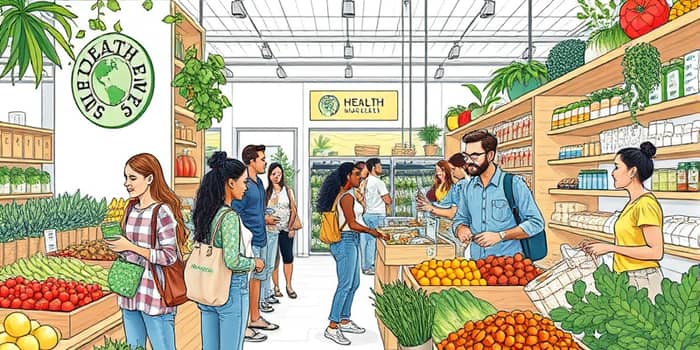
In an era of inflation and rising living costs, consumers face the challenge of maintaining quality of life without simply cutting expenses. The concept of spending smarter, not less reframes this dilemma: it’s about prioritizing purchases that yield long-term value and align with personal values rather than adopting an austere mindset.
By focusing on intention, transparency, and impact, you can make choices that benefit your health, wallet, and the planet. This guide explores market trends, motivations, generational shifts, and practical strategies to help you consume with purpose.
The Scope of Conscious Consumption
Conscious consumption spans three key dimensions: health, environment, and ethics. Consumers are increasingly demanding products that support their well-being and reflect their values. The global market for functional and natural health foods is projected to reach USD 38.5 billion by 2033, while the broader wellness industry is expected to hit USD 8.99 trillion by 2028.
Meanwhile, 72% of global consumers express willingness to pay more for sustainable products, and in the US, 49% reported purchasing an eco-friendly item in the past month. Yet economic pressures sometimes force trade-offs between ideals and affordability.
Consumer Motivations and Barriers
Understanding why people pursue conscious consumption—and why many struggle—is essential to making it accessible and realistic.
- Health Drivers: 55–65% of Europeans prioritize healthy eating, with the highest focus (65%) among ages 60–64.
- Environmental Concerns: 72% of global consumers and 49% of US shoppers seek sustainable options, though 36% face barriers like high pricing or limited availability.
- Ethical Imperatives: Demand for third-party certifications and transparent labeling is rising, as consumers distrust superficial green claims.
Despite strong motivations, only 15% of shoppers remain completely uninterested in sustainable products, indicating significant untapped demand if obstacles can be addressed.
Generational Differences and Future Trends
Generational attitudes shape both spending habits and market offerings. Older consumers often adopt healthy and sustainable practices steadily, while Gen Z’s purchasing power is projected to surpass baby boomers by 2029. By 2035, Gen Z is expected to add USD 8.9 trillion to the global economy.
Digital natives demand transparency, instant information, and social impact. Brands that cater to these expectations with clear product storytelling and authentic commitments will win loyalty from younger cohorts, while maintaining value propositions for older groups.
Smart Spending Strategies
Adopting value-driven decision making processes ensures each dollar spent contributes to health, ethics, or sustainability. Consider the following approaches:
- Label Literacy: Learn to read fine print, check for informed trade-offs and intentional choices over buzzwords, and avoid greenwashing.
- Quality Over Quantity: Investing in durable, high-quality items can reduce long-term costs and environmental footprint.
- Waste Reduction: Two-thirds of consumers aim to minimize food and product waste by buying only what they need and leveraging frozen or long-lasting options (42%).
- Support Ethical Brands: Look for product take-back programs, repairable goods, and third-party certifications that guarantee ethical sourcing.
Balancing premium prices with budget constraints often means seeking seasonal produce, buying in bulk, or combining fresh and frozen goods to optimize both nutrition and cost.
Practical Tips for Conscious Shoppers
Making intentional choices can feel overwhelming without clear guidelines. Start by setting simple goals and building habits incrementally:
- Check Labels: Prioritize ingredients lists with recognizable items and seek certifications like Fair Trade or USDA Organic.
- Plan Purchases: Create shopping lists based on weekly meal plans to avoid impulse buys and reduce food waste.
- Shop Local and Seasonal: Local markets often offer fresher produce at lower prices, supporting community economies and reducing carbon footprints.
- Use Reusables: Invest in sturdy containers and bags to cut single-use packaging and save money over time.
Remember that every small change compounds over time. Even swapping one item for a more sustainable alternative can reinforce your commitment and inspire further improvements.
Conclusion
Conscious consumption is not about deprivation but about making support sustainable brands and practices that align with your health, environmental, and ethical priorities. By embracing prioritize long-term cost savings, understanding market trends, and employing practical strategies, you can cultivate a spending approach rooted in intention.
Ultimately, balance premium quality with affordability and let each purchase reflect your values. With informed trade-offs and a focus on impact, you’ll discover that spending smarter delivers greater satisfaction than spending less ever could.
References
- https://media.market.us/health-conscious-consumer-statistics/
- https://theroundup.org/environmentally-conscious-consumer-statistics/
- https://www.mckinsey.com/industries/consumer-packaged-goods/our-insights/state-of-consumer
- https://globescan.com/2025/05/14/insight-of-the-week-more-americans-say-they-are-buying-sustainable-products-in-2025/
- https://www.greenbook.org/insights/focus-on-apac/2025-consumer-insights-prediction
- https://www.pwc.com/gx/en/issues/c-suite-insights/voice-of-the-consumer-survey.html
- https://www.arbor.eco/blog/sustainability-statistics
- https://www.forrester.com/blogs/forresters-green-consumer-segmentation-for-2025/