In today’s fast-paced financial landscape, consumers and communities are seeking more than just credit— they want partnerships built on trust, compassion, and shared values. Ethical lending emerges as a powerful solution that aligns financial services with societal well-being.
As borrowing avenues expand through digital platforms, payday apps, and microfinance institutions, the risk of hidden fees, oppressive interest rates, and unsustainable debt cycles grows. Identifying lenders committed to transparent and fair lending practices can safeguard families and foster economic stability.
The Foundations of Ethical Lending
Ethical lending goes beyond profit maximization. It is anchored in a clear code of ethics that safeguards borrowers, communities, and the planet. At its heart is a deep commitment to social responsibility that shapes every decision, from algorithmic underwriting to repayment counseling.
Key pillars of this approach include affordability assessments, open communication, unbiased scoring models, and an unwavering focus on environmental and social impacts. By embedding these values into their operations, responsible lenders act as stewards of collective prosperity.
- Ethical behavior in all credit decisions
- Transparency in loan terms and conditions
- Harmonization of standards through collaboration
- Prevention of overindebtedness at all stages
- Trusted information sharing and stewardship
- Fair treatment of all clients
- Democratic decision-making with community welfare focus
Adhering to these principles means avoiding loans that push clients into cycles of debt, rejecting investments in harmful industries like tobacco or weapons, and prioritizing renewable energy or social enterprise financing.
Comparing Traditional and Ethical Lending Models
Many borrowers are unaware of the stark contrast between conventional banks and ethical finance institutions. A side-by-side view reveals the transformative potential of responsible practices.
This comparison highlights how small changes in policy—such as open fee disclosures or investment screens—can lead to preventing over-indebtedness and harm for individuals and communities.
Compliance and Accountability in Practice
Even the best intentions require robust checks and balances. Over the past year, non-bank lenders have attracted increased regulatory scrutiny as state and federal agencies tighten fair lending guidelines. Community groups now challenge marketing practices that discourage minority applicants.
Ethical institutions respond proactively, instituting ongoing audits and staff training to ensure every department upholds the same values. Algorithmic scoring systems are rigorously tested for unintended biases, promoting algorithmic accountability and bias prevention across approval pipelines.
- Study the data to identify risk trends
- Revisit and update risk assessments regularly
- Upgrade staff training on fair lending rules
- Consider robust internal controls and monitoring
- Ensure cross-department collaboration and communication
By weaving these practices into their culture, lenders demonstrate integrity and build long-term trust with borrowers and regulators alike.
Practical Steps for Borrowers Seeking Ethical Loans
When you need credit, your choices shape more than your personal finances—they influence lending standards industry-wide. Here are steps to identify responsible providers and partner with institutions that share your values.
- Research a lender’s mission statement and public code of ethics
- Verify certifications from reputable organizations like CSAF or B Lab
- Request clear breakdowns of fees, interest rates, and repayment schedules
- Assess the lender’s environmental and social impact policies
Seeking loans from providers who publish impact reports or support renewable energy projects can amplify positive change. For example, microfinance banks certified under IFC standards now serve over 62 million low-income clients in 42 countries, illustrating scalable impact.
The Role of Regulation and Community Advocacy
Regulatory bodies are pivotal in shaping fair lending landscapes. In 2025, the CFPB signaled shifts in fair lending enforcement, reversing past settlements and emphasizing borrower protections. Simultaneously, state regulators are expanding examinations of non-bank lenders.
Community advocacy groups monitor language and imagery in marketing materials, ensuring inclusive outreach. When lenders stray, private party litigation and public campaigns hold them accountable, reinforcing environmental and community well-being as non-negotiable standards.
Building a Culture of Ethical Finance
Transitioning toward an ethical finance ecosystem requires more than policy changes—it demands a cultural evolution. Institutions must empower employees to speak up when processes conflict with core values and invest in continuous education on responsible lending.
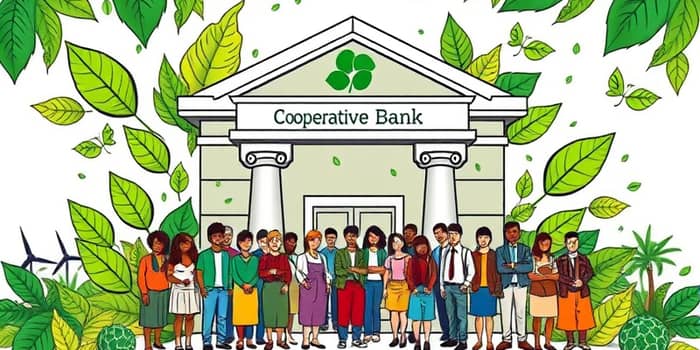
Cooperative and mutual banking models exemplify this shift, granting members voting rights and a voice in strategic decisions. Such democratic governance aligns institutional priorities with the interests of communities they serve.
Environmental and Social Impact: A Wider Perspective
Ethical lenders extend the win-win concept beyond borrowers and shareholders to the planet. By financing solar farms, wind energy projects, and sustainable agriculture, they invest in a future where economic growth and ecological health thrive together.
Some institutions have set net-zero carbon targets and conduct ongoing carbon footprint assessments. Others restrict financing for fossil fuel extraction or industries linked to human rights abuses, reflecting a holistic approach to value creation.
Conclusion: Charting the Path Forward
Discovering responsible loan providers empowers borrowers while supporting societal progress. The choices you make when seeking credit ripple across communities, shaping norms and inspiring systemic transformation.
By insisting on clear, sufficient, and timely information, fair terms, and governance focused on community welfare, individuals and institutions can reshape the financial world for the better. Together, lenders and borrowers can pioneer an era of finance defined by compassion, integrity, and shared prosperity.
References
- https://avonriverventures.com/ethical-considerations-in-securities-backed-lending/
- https://www.longfinance.net/news/pamphleteers/on-the-morality-of-lending-and-debt/
- https://www.federalreserve.gov/data/sloos/sloos-202510-chart-data.htm
- https://csaf.org/responsible-lending-principles/
- https://www.ifc.org/en/what-we-do/sector-expertise/financial-institutions/msme-finance/responsible-microfinance-advancing-consumer-protection-growing-economies
- https://www.beneficialstatebank.com/impact/what-is-ethical-banking
- https://consumerbankers.com/press-release/icymi-why-smart-lending-and-responsible-borrowing-keep-the-economy-running/
- https://walcybank.com/ethical-banking-overview-pros-and-cons/
- https://www.wolterskluwer.com/en/expert-insights/2025-fair-lending-trends
- https://www.fundingagent.co.uk/finance-dictionary/ethical-lending
- https://www.mycommunityfinance.co.uk/guides/what-does-ethical-finance-mean
- https://woodstockinst.org/woodstock-updates/woodstock-institute-2025-26-priorities/
- https://www.q-financial.com.au/blog/ethical-home-loans-ethical-lending/
- https://theworknumber.com/all-blogs/-/post/the-future-of-subprime-lending-predictions-for-2025-and-beyond
- https://yieldi.com/ethical-considerations-in-hard-money-lending-ensuring-fair-practices/
- https://www.ncontracts.com/nsight-blog/best-practices-for-a-better-lending-compliance-program
- https://www.responsiblelending.org/taxonomy/term/88