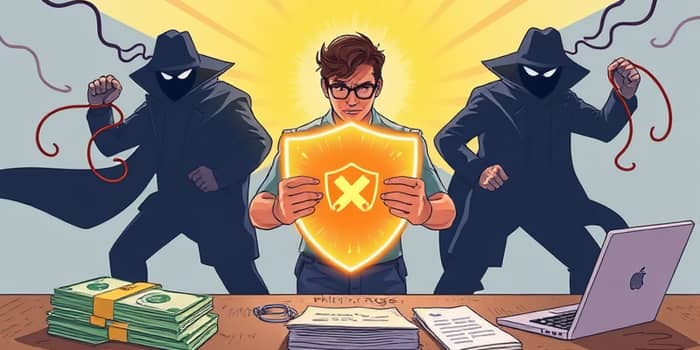
As technology reshapes the lending landscape, fraudsters have become more resourceful, exploiting both individuals and organizations. In 2024 alone, reports showed breathtaking losses—from 12.5 billion dollars reported to the FTC to 16.6 billion dollars recorded by the FBI. That represents a staggering 25% increase in reported fraud losses over the previous year. Understanding the scale and sophistication of loan scams is the first step toward protecting your hard-earned money.
Understanding the Scope of Loan Scams
Loan and mortgage scams have surged in recent years, driven by rapid digital transformation and the widening trust gaps inherent in remote transactions. Between 2022 and 2025, monthly mortgage scam reports jumped from 14 to 71—an astounding 407% increase. Though only 12.24% of these reports included confirmed losses, the average victim lost nearly 16,829 dollars per case.
Statistics also reveal that 1 in every 123 mortgage applications showed signs of fraud in 2024, a year-over-year risk spike of 8.3%. Over a third of U.S. consumers—33%—faced attempted financial fraud, while 79% of organizations experienced payments fraud attacks. These figures underscore how pervasive and varied loan scams have become.
State-Level Losses: A Closer Look
Geographic data highlights regions where consumers face the greatest risk. While Florida reported the most cases, Georgia victims suffered the highest average losses. Reviewing state-level patterns can guide lenders, regulators, and borrowers toward targeted interventions.
Common Loan and Mortgage Scam Types
Scammers employ an array of tactics to exploit borrowers and lenders. Recognizing these methods is essential for prevention.
- Phishing: Impersonating lenders or title companies to hijack wire transfers. Accounts for 53.3% of reported cases.
- Fake Invoice Scams: Sending bogus closing-cost or fee invoices (5.2% of cases).
- Advance Fee Loan Scams: Demanding upfront fees for loans that never materialize (3.7% of cases).
- Other Scam Types: Including retail business scams, bank scams, credit card fraud, debt collection schemes, and worthless problem cons.
Why Scams Are on the Rise
Several key drivers underpin the growth of loan fraud:
• Digital Transformation: The widespread adoption of online lending platforms has reduced in-person verification safeguards, creating new entry points for deception.
• Artificial Intelligence and Automation: Scammers now use artificial intelligence to generate fake documentation and synthetic identities, making phishing emails and loan applications more convincing.
• Economic Pressure: High interest rates and tight lending standards lead some borrowers to falsify documents or pursue shady offers in desperation.
• Weakening Oversight: Regulatory bodies face budget constraints and evolving market dynamics, opening systemic vulnerabilities. As one expert describes it, the industry operates on a high-trust high-value transaction system that fraudsters exploit daily.
Red Flags: How to Spot a Scam
Awareness of common warning signs can halt a scam before it succeeds. Watch for:
- Sudden changes in wire instructions or unexplained bank account details.
- Urgent deadlines during closing processes that pressure you to act without verification.
- Requests for upfront fees or prepaid charges before loan approval.
- Unverified email domains, spoofed phone numbers, or unsolicited messages claiming to be a trusted entity.
Steps to Protect Yourself
Implement these practical defenses to safeguard your finances:
- Confirm lender contact details independently—don’t click direct links in emails or texts.
- Mandatory multi-step verification for wire transfers to thwart unauthorized changes.
- Use encrypted communication channels and secure portals provided by your lender or title company.
- Monitor your mortgage statements, bank accounts, and credit reports for unexpected variations.
- Educate yourself and your family about phishing tactics and loan scam trends.
Expert Insights and Industry Responses
“Most consumers have no idea how exposed they are,” warns Rajeev Kumar, Executive Vice President at BackOffice Pro. “Without modern oversight and enforcement, the system is operating on trust that scammers are exploiting daily.” Kumar stresses that these incidents aren’t isolated; they point to systemic vulnerabilities in transaction workflows.
Christopher Mufarrige, Director of the FTC Bureau of Consumer Protection, adds, “The data we’re releasing today shows that scammers’ tactics are constantly evolving. The FTC is monitoring those trends closely and working hard to protect the American people from fraud.”
Taking Action: Resources and Next Steps
If you suspect you’ve been targeted by a loan scam, immediate reporting can limit your losses and support investigations. Contact the Federal Trade Commission’s Consumer Sentinel Network, file a complaint with the Better Business Bureau’s Scam Tracker, and report identity theft to IdentityTheft.gov.
Financial institutions and regulators are also rolling out enhanced monitoring systems and shared threat intelligence networks. By contributing data and experiences, victims and industry stakeholders can help build layered defense systems to close gaps between risk and prevention.
Loan scams may seem sophisticated, but with vigilance, due diligence, and the right safeguards, you can defend your finances effectively. Stay informed, verify every detail, and leverage trusted resources—because protecting your money today keeps your dreams secure tomorrow.
References
- https://www.backofficepro.com/blog/mortgage-scam-statistics-2025/
- https://nationalmortgageprofessional.com/news/loan-fraud-staggering-407-0
- https://www.ftc.gov/news-events/news/press-releases/2025/03/new-ftc-data-show-big-jump-reported-losses-fraud-125-billion-2024
- https://www.becu.org/blog/top-financial-scams
- https://www.alloy.com/blog/2025-financial-fraud-statistics
- https://www.cotality.com/press-releases/mortgage-fraud-risk-q1-2025
- https://www.arthurstatebank.com/blog/the-latest-banking-fraud-trends-in-2025-what-you-need-to-know/
- https://www.acfe.com/acfe-insights-blog/blog-detail?s=top-fraud-trends-2025
- https://www.financialprofessionals.org/training-resources/resources/survey-research-economic-data/details/payments-fraud
- https://www.pewresearch.org/internet/2025/07/31/online-scams-and-attacks-in-america-today/